
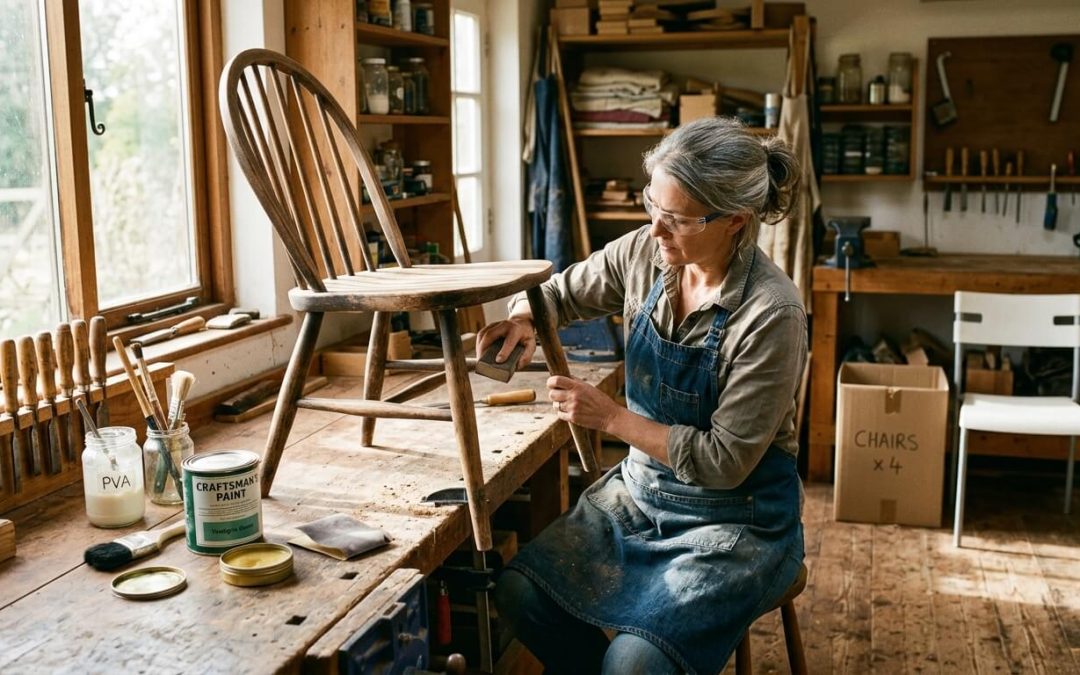
Repairing furniture often saves you more money than buying new. Instead of spending a large sum on replacements, you can fix minor damages for much less. Even DIY repairs, like reupholstering or painting, can cut costs considerably. Plus, restoring heirloom pieces maintains their sentimental value and reduces waste, benefiting the environment. If you’re unsure about the repair process or tools needed, there are plenty of tips and guidance available to help you.
The Financial Benefits of Repairing Furniture
When you choose to repair furniture instead of replacing it, you’re not just preserving a piece of your home; you’re also saving a significant amount of money.
Buying new furniture can be costly, often requiring a substantial investment. By opting for repairs, you can extend the life of your existing pieces without breaking the bank.
Many repairs, like fixing scratches or reupholstering, are relatively inexpensive compared to purchasing new items. Plus, you can often do some repairs yourself, saving even more.
In the end, repairing furniture allows you to maintain your style while keeping your budget intact.
Emotional Value: Why Heirloom Pieces Matter
Repairing furniture isn’t just about saving money; it’s also about preserving memories and connections tied to heirloom pieces.
When you choose to restore a cherished item, you’re honoring the stories and experiences it holds. Each scratch and mark tells a tale of family gatherings or quiet moments, making it irreplaceable.
By repairing rather than replacing, you maintain a tangible link to your past. These pieces often evoke feelings of nostalgia, reminding you of loved ones and traditions.
Investing time and effort in their restoration deepens your connection, allowing you to cherish the beauty of history woven into your home.
Environmental Impact: Reducing Waste Through Restoration
Choosing to restore furniture not only breathes new life into cherished pieces but also greatly reduces waste, making a positive impact on the environment.
When you repair instead of discard, you keep materials out of landfills and minimize the demand for new resources. This process conserves energy, reduces carbon emissions, and limits pollution associated with manufacturing new items.
Plus, every piece you save contributes to a more sustainable future. By embracing restoration, you’re not just preserving history; you’re actively participating in a movement that values sustainability and encourages others to think twice before tossing away what can be lovingly restored.
Skills and Tools for DIY Furniture Repair
While tackling DIY furniture repair may seem intimidating at first, acquiring the right skills and tools can make the process both manageable and rewarding.
Start by honing basic skills like sanding, painting, and upholstery. Understanding how to properly assess damage is essential.
You’ll need important tools such as a screwdriver set, wood glue, clamps, and sandpaper. A staple gun and paintbrushes will also come in handy.
Additionally, consider investing in a quality upholstery kit for more complex repairs.
With practice, you’ll gain confidence, transforming old furniture into beautiful, functional pieces that reflect your personal style without breaking the bank.
When to Seek Professional Help for Repairs
Knowing when to tackle repairs yourself and when to call in a professional can save you time and money.
If a piece of furniture has complex issues, like structural damage or intricate refinishing, it’s wise to consult an expert.
Also, if you lack the necessary tools or skills, frustration can lead to costly mistakes.
When dealing with antique or valuable items, professionals can guarantee the repair preserves their worth.
Finally, if you’re short on time or feeling overwhelmed, hiring someone might be your best option.
Trust your instincts—sometimes, investing in a pro pays off in the long run.
Frequently Asked Questions
What Types of Furniture Are Most Cost-Effective to Repair?
Chairs, tables, and dressers are often the most cost-effective furniture to repair.
Simple fixes like reupholstering or refinishing can breathe new life into them, saving you money while maintaining their quality and charm.
How Do I Choose the Right Repair Method for My Furniture?
To choose the right repair method, assess the damage, consider your skills, and match the technique to the material.
Research options like gluing, refinishing, or reupholstering, then select the most suitable for your needs.
Can I Sell Repaired Furniture for More Than Its Original Value?
Yes, you can sell repaired furniture for more than its original value if the repairs enhance its appeal or functionality.
Focus on quality craftsmanship and market it well to attract buyers willing to pay a premium.
What Are Common Mistakes to Avoid When Repairing Furniture?
Avoid over-sanding, using the wrong glue, and skipping proper prep work.
Don’t rush your finish, neglect structural repairs, or ignore safety precautions.
These mistakes can undermine your efforts and diminish the quality of your repaired furniture.
How Long Can I Expect Repaired Furniture to Last?
You can expect repaired furniture to last anywhere from several years to a lifetime, depending on the quality of the repair, materials used, and how well you maintain it.
Regular care definitely extends its life.
Conclusion
In conclusion, repairing furniture can save you money, preserve sentimental value, and reduce waste. By choosing to restore rather than replace, you not only enjoy the satisfaction of a DIY project but also contribute to a more sustainable future. Remember, when your favorite piece needs a little TLC, you’ve got the skills and resources to make it shine again. And if things get tricky, don’t hesitate to call in a pro. Your furniture—and your wallet—will thank you!