
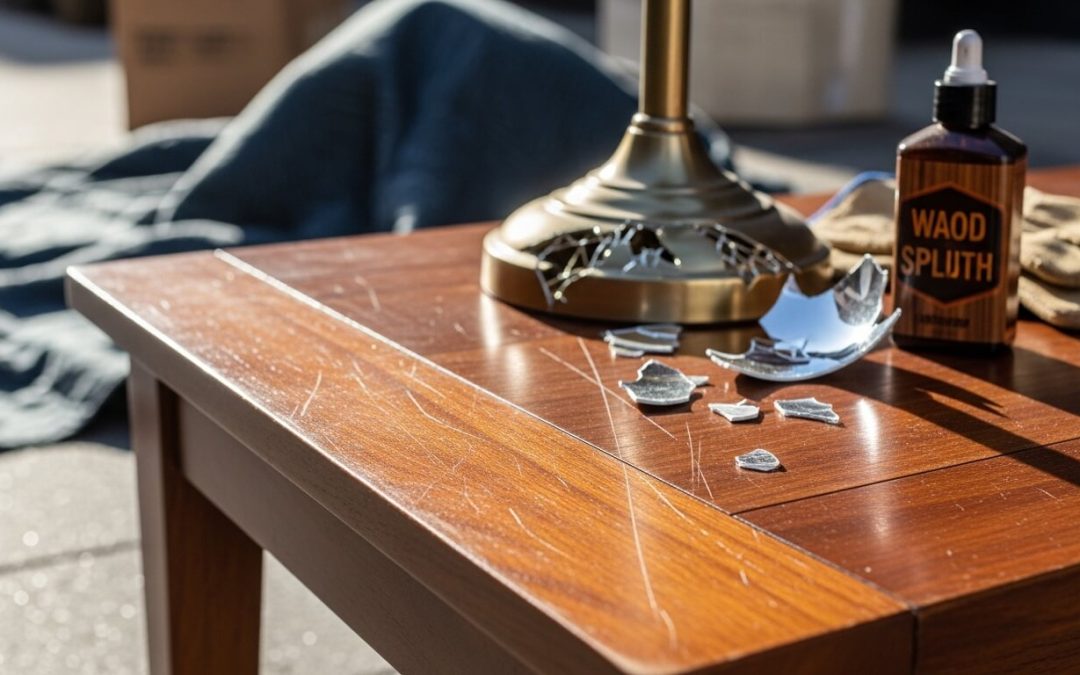
Moving furniture in NYC often leads to scratches, dents, and water damage. Tight hallways and careless handling can chip surfaces, while moisture exposure can warp wood. To protect your belongings, disassemble larger pieces, wrap them in moving blankets, and guarantee they’re secured in the truck. If damage occurs, you can use wood polish, steam dents, or apply wood glue for repairs. There’s more you can do to guarantee your furniture stays safe and sound during moves.
Common Types of Damage to Furniture During Moves
When you’re moving in NYC, it’s easy for your furniture to sustain damage if you’re not careful. Common types of damage include scratches, dents, and broken legs or corners.
Tight hallways and narrow staircases can lead to bumps and scrapes, while careless handling might result in chips. If your furniture is heavy, the weight can cause structural issues, especially if it’s dropped.
Additionally, moisture from weather conditions can warp wood or damage upholstery. Being aware of these potential issues can help you take steps to minimize damage and preserve your furniture during the hectic moving process.
Protecting Furniture From Scratches and Dents
To protect your furniture from scratches and dents during a move, it’s essential to plan ahead and use the right materials.
Start by disassembling larger pieces, as this makes them easier to transport and reduces the risk of damage. Wrap furniture in moving blankets or bubble wrap to cushion against impacts. Use cardboard corners for delicate edges and surfaces.
When loading the truck, secure items tightly to prevent shifting. Don’t forget to label boxes and furniture to guarantee you handle everything with care.
With these steps, you can keep your beloved pieces looking great throughout the moving process.
Avoiding Water Damage During Transit
While you may be focused on packing and loading, it’s essential not to overlook the risk of water damage during your move. Protect your furniture by using waterproof covers or plastic wrap, especially for pieces made of wood or upholstered materials.
Make certain that any liquids, like cleaning supplies or plants, are securely sealed to prevent leaks. If you’re moving during rainy weather, try to load and unload quickly to minimize exposure.
Keep your furniture elevated on moving blankets or pallets to avoid contact with wet surfaces. Taking these precautions can save you from costly repairs and heartache later on.
Ensuring Safe Handling of Fragile Items
As you navigate the challenges of moving, ensuring safe handling of fragile items should be a top priority.
Start by carefully packing these items in bubble wrap or foam padding, securing them in sturdy boxes labeled “fragile.”
When loading the moving truck, place these boxes on top of heavier items to prevent crushing. Always lift rather than drag, and ask for help if something feels too heavy.
During transit, avoid sudden stops or sharp turns, as these can cause items to shift and break.
Repairing Damaged Furniture After the Move
Moving can sometimes lead to damage, but repairing your furniture doesn’t have to be an intimidating task.
Start by evaluating the damage—check for scratches, dents, or loose joints. For minor scratches, a wood polish or a touch-up marker can work wonders.
If you’ve got a dent, try steaming it with a damp cloth and a hot iron to help it pop back. For loose joints, use wood glue and clamps to secure them.
Don’t forget to reapply finish or paint where needed. With a little effort, you can restore your furniture to its former glory and enjoy your new space!
Frequently Asked Questions
What Should I Do if My Furniture Gets Wet During the Move?
If your furniture gets wet during the move, quickly dry it with towels, and elevate it off the ground.
For wood, apply a fan to prevent warping, and check for mold after drying.
Can I Move My Furniture Without Professional Help?
Yes, you can move your furniture without professional help.
Just gather some friends, use proper tools, and plan your route carefully.
Make sure to secure everything to avoid damage during the move.
Good luck!
How Do I Choose the Right Moving Company for My Furniture?
To choose the right moving company, research reviews, compare quotes, and ask about insurance coverage.
Make certain they’ve experience with your furniture type and check for any hidden fees before making your decision.
Are There Special Considerations for Antique Furniture During Moves?
Yes, you should take extra precautions with antique furniture.
Use proper padding, avoid stacking, and guarantee temperature control during transport.
Hiring movers experienced with antiques can also help prevent damage and preserve their value.
How Can I Estimate Moving Costs for My Furniture?
To estimate moving costs for your furniture, calculate the size and weight.
Research moving companies’ rates, and factor in additional services like packing or storage.
Don’t forget to include insurance for extra protection.
Conclusion
Moving furniture in NYC can be tough, but with the right precautions, you can minimize damage. By staying aware of common issues like scratches and water damage, you’ll protect your belongings during transit. Don’t forget to handle fragile items with care and know how to repair any damage afterward. With these tips in mind, you can ensure a smoother moving experience and keep your furniture looking great in your new home.