
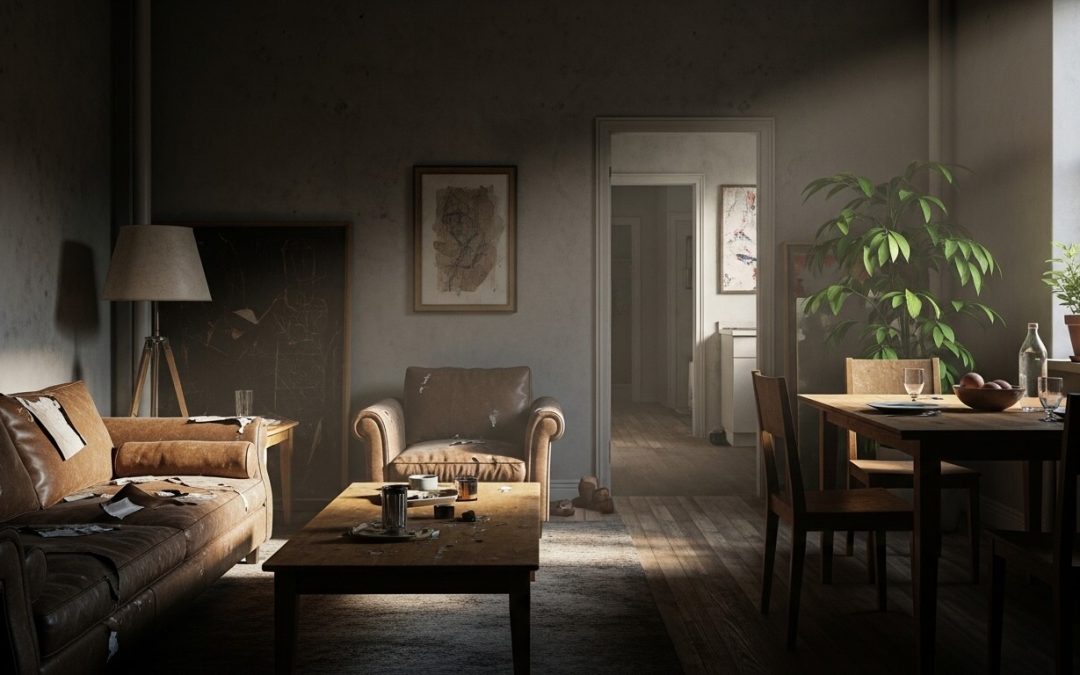
Living in a NYC apartment can destroy your furniture faster due to high humidity, limited space, and frequent moves. Humidity causes wood to warp and mold to grow, while tight quarters strain your belongings. Packing and unpacking can lead to physical wear, and constant hustle means spills and accidental bumps are common. To protect your furniture, try regular cleaning and use coasters. Want to learn effective tips to extend the life of your pieces? Keep exploring!
The Impact of Humidity on Furniture Integrity
While you mightn’t think about it often, humidity plays an essential role in the integrity of your furniture. High humidity can lead to mold growth and wood warping, while low humidity often causes cracking and splitting.
You may notice your leather chairs becoming stiff or your wooden table losing its sheen. Maintaining a balanced humidity level between 30-50% is critical for preserving your investments.
Using a dehumidifier or humidifier helps control moisture, and keeping furniture away from direct heat sources can make a significant difference. By being proactive, you can extend the lifespan and appearance of your beloved pieces.
Space Constraints and Their Effects on Design
When you live in a city like New York, space constraints can greatly influence your design choices.
You might find yourself opting for multi-functional furniture, like a sofa bed or an ottoman with storage, to maximize limited space. Choosing lighter colors can also help create an illusion of openness.
It’s crucial to think vertically; wall shelves can free up floor space while adding style. Additionally, avoid bulky items that can overwhelm your apartment.
The Consequences of Frequent Moving
Frequent moving can take a toll on your mental and physical well-being. Each relocation can create stress, disrupt your routine, and leave you feeling unsettled.
You might find it hard to maintain relationships or establish a sense of home, leading to feelings of isolation. Additionally, the physical demands of packing and unpacking can leave you exhausted and sore.
You might also experience anxiety about your belongings being damaged or lost in transit. All these factors can contribute to a heightened sense of instability, making it essential to find ways to manage the emotional and physical challenges that come with moving frequently.
Wear and Tear From Everyday Life
Everyday life in an NYC apartment can lead to significant wear and tear on your furniture and fixtures. The constant hustle and bustle, combined with limited space, often means your belongings face more strain than they’d elsewhere.
From frequent foot traffic to accidental bumps, your furniture endures daily impacts that can weaken its structure. Humidity and temperature fluctuations can also warp wooden pieces, while spills and stains threaten upholstery.
Over time, these factors can leave your once-pristine furniture looking worn and tired. Being aware of this reality helps you understand the importance of caring for your items in this urban environment.
Tips for Extending the Life of Your Furniture
To guarantee your furniture withstands the daily challenges of city living, adopting some proactive care strategies can make a significant difference.
Start by regularly dusting and cleaning surfaces to prevent dirt buildup. Use coasters and placemats to protect against spills and heat. Invest in furniture covers for added protection, especially if you have pets.
Rotate cushions and pillows to maintain shape and prevent uneven wear. Keep your furniture away from direct sunlight to avoid fading.
Finally, occasionally check for loose screws or joints and tighten them to confirm stability. These small steps can keep your furniture looking great for years.
Frequently Asked Questions
How Do I Choose Durable Furniture for My NYC Apartment?
To choose durable furniture for your NYC apartment, focus on materials like hardwood, metal, and high-quality upholstery.
Avoid soft woods and flimsy designs, and consider items with protective finishes to withstand wear and tear.
What Materials Are Best for Humid Environments?
For humid environments, choose materials like teak, eucalyptus, or aluminum.
These resist moisture well. Avoid particle board and untreated wood, as they’ll warp or develop mold.
Always consider finishes designed to withstand humidity for added protection.
Can I Prevent Scratches From Moving Furniture?
You can prevent scratches by using furniture pads under legs, lifting instead of dragging, and wrapping edges with blankets during moves.
Regularly check for wear and tear, and address any issues promptly to maintain your furniture’s condition.
How Often Should I Clean My Furniture in NYC?
You should clean your furniture at least once a month in NYC.
Dust, dirt, and grime accumulate quickly, so regular maintenance helps keep your pieces looking fresh and extends their lifespan.
Don’t forget those hidden corners!
What Is the Best Way to Store Furniture Temporarily?
The best way to store furniture temporarily is to disassemble it, wrap each piece in protective material, and place it in a climate-controlled storage unit.
Make sure to keep an inventory of your items for easy access.
Conclusion
In NYC, your furniture faces unique challenges that can shorten its lifespan. Humidity, tight spaces, and constant moving all take their toll. But you can take steps to protect your investments. By choosing the right materials, optimizing your layout, and being mindful of wear and tear, you can keep your furniture looking great for years. With a little care, you can enjoy your stylish space without constantly worrying about replacing your beloved pieces.